
L’une des nombreuses inquiétudes des parents lorsqu’il s’agit de nourrir leurs enfants est de savoir ce qu’il faut faire lorsqu’ils ne sont pas en forme.
🔥 Produits recommandés : Canon EOS R6 II • DJI Mini 4 Pro • MacBook Pro M4
Je ne connais que trop bien le stress supplémentaire que la maladie entraîne lorsqu’il s’agit de nourrir les enfants, en particulier les bébés et les tout-petits. Il est difficile de savoir comment gérer leur appétit en constante évolution, comment maintenir une certaine « normalité » et aussi comment savoir quand il s’agit de plus qu’une simple baisse d’appétit.

Dans ce blog, je veux donc couvrir TOUT ce que vous avez besoin de savoir sur l’alimentation des enfants lorsqu’ils sont malades. J’aborderai les sujets suivants :
- Différentes maladies, y compris les rhumes, les maux de gorge et les maux d’estomac
- Que faire si votre enfant ne grandit pas correctement ?
- QUAND obtenir une aide supplémentaire
- L’importance de l’hydratation
- Conseils pour favoriser l’appétit
- Idées de repas pour les enfants souffrants
- Reprendre une vie « normale » après une maladie
Je tiens à préciser que ce blog est uniquement destiné à des fins d’information et ne remplace pas un avis médical. Si vous avez la moindre inquiétude concernant les symptômes, l’appétit ou la croissance de votre enfant, n’hésitez pas à consulter un médecin généraliste ou un professionnel de la santé et à suivre leurs conseils.
Gérer les attentes lorsque les enfants sont malades
Dans la plupart des cas, lorsque les enfants ne se sentent pas bien, il est tout à fait normal qu’ils ne mangent plus rien et qu’ils aient très peu d’appétit. Même en tant qu’adultes, lorsque nous ne nous sentons pas très bien, nous avons tendance à préférer les aliments fades et simples, faciles à manger, ainsi que nos plats réconfortants préférés. Nous n’avons généralement pas envie d’une grande variété d’aliments excitants lorsque nous nous sentons malades.
De même, l’appétit peut disparaître complètement lorsque les enfants ne sont pas bien, et il est tout à fait normal qu’ils ne veuillent rien manger du tout. Avec mes deux enfants, un manque d’appétit est généralement le signe que quelque chose se prépare !

Que donner aux enfants malades ?
Par conséquent, lorsqu’il s’agit de nourrir les enfants, rappelez-vous qu’il est tout à fait acceptable de leur proposer des aliments simples, leurs aliments préférés ou les mêmes aliments à plusieurs reprises. Il n’est pas réaliste de s’attendre à ce qu’ils aient envie de goûter de nouveaux aliments ou des aliments qu’ils aiment moins à ce moment-là, et il est important de les aider à garder leur énergie. Il est important de les aider à garder leur énergie. Ce n’est généralement que pour une courte période et cela n’annulera pas le travail que vous avez fait en les encourageant à apprécier une variété d’aliments.
Cela ne signifie pas que vous devez UNIQUEMENT proposer des aliments fades ou préférés. Vous pouvez continuer à servir d’autres aliments à côté pour maintenir la variété avec laquelle ils sont familiers, mais ne vous étonnez pas s’ils ne sont pas touchés !
Il n’y a pas de mal non plus à relâcher la routine lorsque les enfants sont souffrants, et à les nourrir lorsqu’ils le demandent ou semblent avoir faim, plutôt que d’attendre l’occasion du prochain repas comme vous le feriez habituellement. Là encore, leur appétit est susceptible d’être très variable et ils peuvent soudainement avoir faim alors qu’ils viennent tout juste de refuser un repas que vous leur avez proposé. Laissez-les suivre leur appétit et donnez-leur la possibilité de manger s’ils montrent de l’intérêt, surtout si vous constatez qu’ils n’ont pas mangé grand-chose pendant plusieurs jours.
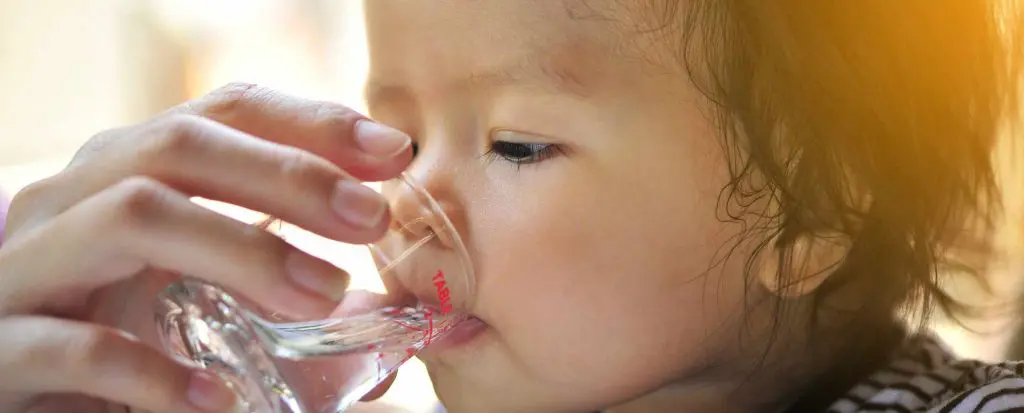
Lorsqu’un enfant se sent très mal, il est essentiel de veiller à ce que son niveau d’énergie et d’hydratation reste élevé et de l’aider à se sentir mieux. Une fois que le pire semble passé, vous pouvez commencer à vous concentrer sur la mise en place d’une structure de repas plus régulière et sur le retour à la « normale ».
Combien de temps un enfant peut-il rester sans manger lorsqu’il est malade ?
S’il est normal que l’appétit diminue lorsque les enfants sont malades, il est compréhensible que les parents s’inquiètent lorsque les enfants ne mangent pas.
Il n’existe pas de lignes directrices concernant le temps nécessaire pour retrouver l’appétit, car cela dépend de chaque enfant. Si vous avez la moindre inquiétude, il est toujours préférable de consulter un professionnel de la santé pour obtenir des conseils personnalisés.
Hydrater les enfants
Il est très important d’hydrater les enfants lorsqu’ils ne sont pas bien et qu’ils ne mangent pas. Cela peut s’avérer difficile s’ils refusent beaucoup d’aliments, et parfois même des boissons.
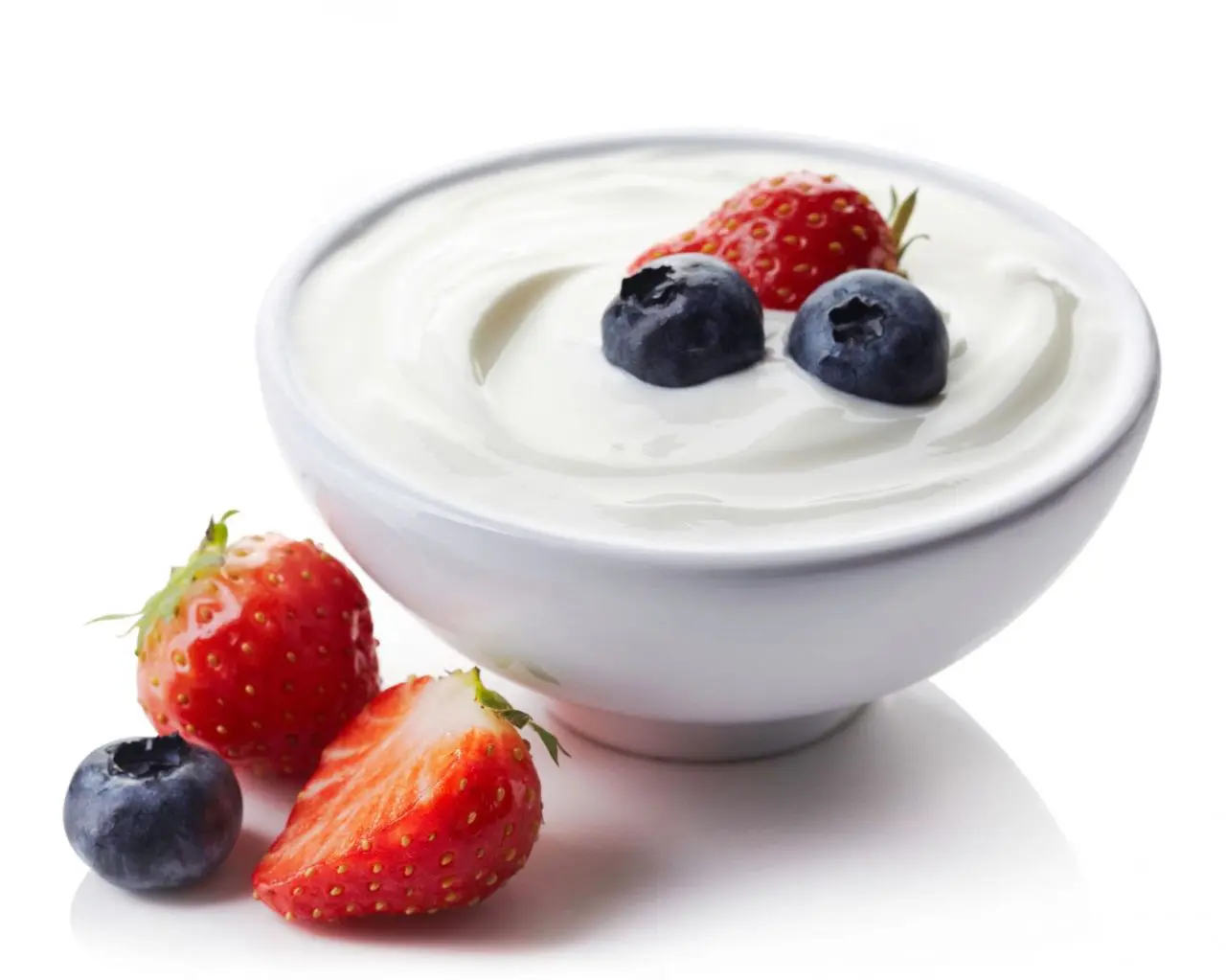
Inclure des aliments hydratants dans les repas de votre enfant peut être un moyen de maintenir son apport en liquide, même s’il ne mange pas beaucoup. Dans l’idéal, l’apport en liquide devrait provenir à 80 % de boissons et à 20 % d’aliments.
Top foods for keeping little one’s hydrated include:
- Watermelon
- Tomato
- Yoghurt
- Cucumber
- Strawberries
- Celery
- Courgette
- Iceberg lettuce
- Soups
- Smoothies
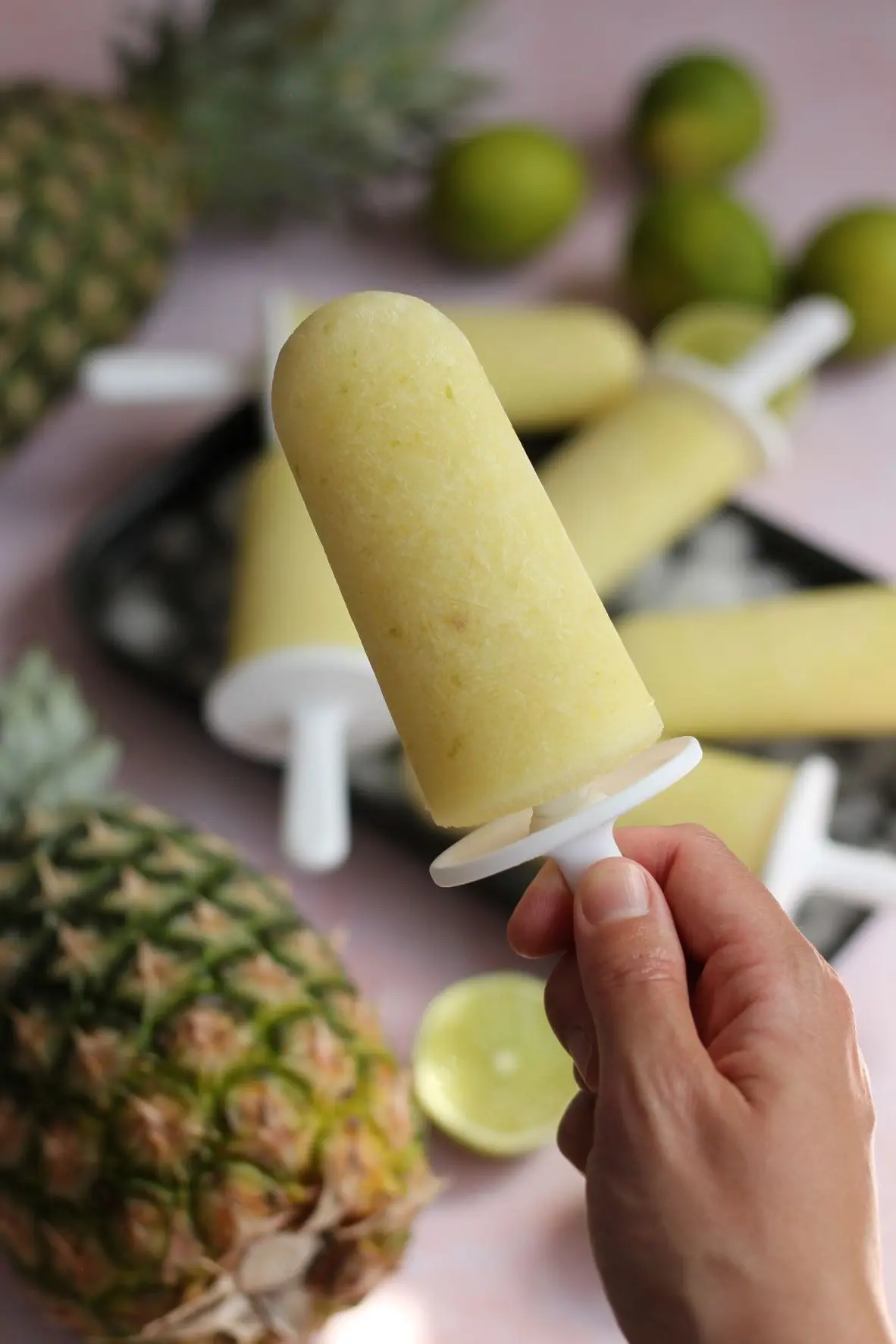
- Ice lollies

Tips if your little one isn’t drinking
Keeping hydrated is really key, but it can be hard when they are refusing water. Here are some additional tips to try and encourage them:
- Try not to force it – easier said than done, but adding pressure is unlikely to help them in the long run
- Have different cups/beakers and bottles around the house to try
- Try to engage them to drink in fun ways – e.g. new cups, cups with fun designs on, straws, open cups – try a variety!
- Offer infused water
- Use water play where they are likely to drink more e.g. wash them in the sink, do some apple bobbing
- Use hydrating foods and meals like soups and stews
- Add extra fluids to standard meals too like extra milk to porridge or a few cups of water to a pasta sauce
Milk for babies and toddlers when they’re unwell
Remember that milk also counts towards their fluid intake. When kids are unwell, it’s quite common for them to be more interested in milk than solid foods. It’s an easy source of calories and so it’s a quick way for them to fill up with little effort.

For babies under 12 months, breast milk or infant formula is an important source of nutrition. Continue to feed them responsively and don’t worry if they’re mostly taking milk but very little solid food.
For older babies, milk still offers plenty of nutrition and can be helpful when they’re sick. If you’re breastfeeding, continue to breastfeed responsively, and, as above, you may find their appetite for milk increases as their appetite for solids decreases. It’s fine to offer them a little more milk than you usually would for a few days. Having a lot of milk can impact a little one’s appetite, so once they’re starting to feel a bit better, try to focus on solid foods more than milk.
Check out my free factsheet for more on milk for babies and toddlers.
Feeding little ones when they’re teething
Feeding teething kids is something many parents worry about. Naturally, teething can have an impact on a little one’s appetite as their mouths and gums are likely to be quite sore.
Symptoms that you might see if your little one is teething could include:
- Sore/red gums
- Red cheeks
- Dribbling more than usual
- Mild fever
- Disrupted sleep
- More upset than usual
- Excessive chewing

I’ve written a blog ALL about this topic so do check that out as it covers all of my tips and advice on how to feed a teething baby.
Feeding children when they have diarrhoea or are vomiting
I’ve written before about gastroenteritis in children under 5 years, but here I wanted to share some tips for meals and snacks to offer.


When kids have stomach bugs, it’s very normal that they don’t fancy eating much, or that they can only manage very plain foods. It’s extra important to keep them hydrated, so follow the tips above and speak to a GP if you have any concerns at all that your little one is dehydrated.
Suitable foods for kids with sickness and diarrhoea include:
- Toast
- Pasta
- Rice
- Couscous
- Potatoes
- Yoghurt
- Porridge
- Cereal
- Muffins
- Pancakes
- Eggs
- Certain fruits and veggies – banana, avocado, berries, cucumber, sweet potato, carrots
- Breadsticks, crackers or oat cakes

Feeding children when they have a sore throat, fever or cold
A sore throat will naturally make eating uncomfortable for little ones and so it’s very likely that they go off many foods. Foods like yoghurts, smoothies, ice lollies, soup and plain toast, pasta and rice can all be a lot easier to eat and more likely to get eaten!
Something I talk about ALL the time, generally when it comes to feeding kids, is about adding EXTRAS into meals where possible. When kids are unwell, this can be especially helpful, just to pack in extra nutrients without changing the texture or flavour of the meals too much. Some of my favourite ways to add extras are:
- Adding nut butter to yoghurt, cereal or porridge
- Sprinkling cheese on meals
- Stirring yoghurt or cream cheese into sauces
- Sprinkling milled seeds or ground nuts on any meal!
- Offering a dip alongside meals such as muffins or pancakes
Check out my blogs on adding extra nutrients to your child’s breakfast, lunch, dinner and snacks for more on this!
Feeding children when they have hand, foot and mouth
Hand, foot and mouth can be particularly difficult for kids and mealtimes. Their mouths can get SO sore, which obviously makes it uncomfortable for them to eat. It’s especially tough as they may actually WANT to eat, they just can’t because it makes the pain so much worse.
Foods for kids with hand, foot and mouth:
- SOFT foods such as yoghurt, porridge or cereal are likely to go down well as they are easy to eat and shouldn’t cause too much pain to sore mouths
- Scrambled eggs, muffins or pancakes
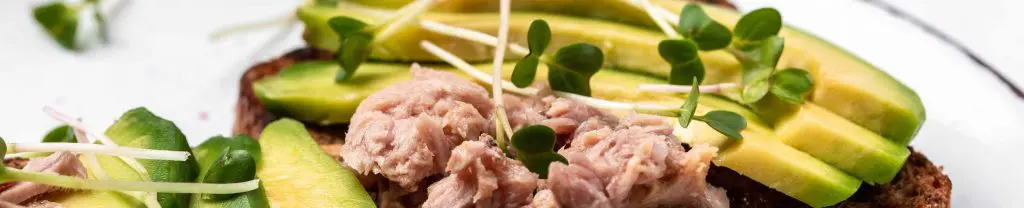
- Soft toast fingers with toppings like avocado, cream cheese, butter or nut butter
- AVOID acidic foods such as tomato, citrus fruits or fruit juice
Tips for encouraging appetite in children
As I mentioned at the start, when you’re right in the thick of an unwell baby or toddler, it’s ok for “rules” and routines to slip. However, once they start to feel a little better, it’s helpful to start to build in some more structure to get things back on track.
Remember, it can take time for children to get back to normal after feeling unwell and they may continue to refuse certain foods or show a preference for plain foods for a while. Try not to worry and don’t panic that they’ll never eat a variety again!
It’s impossible to say how long is “normal” for kids to still be off certain foods, as it will vary for each and every child. For some it may be a few days, others a few weeks and in some cases they may refuse some foods for months. As always, if you have any concerns or if your child continues to have symptoms of an illness, always speak to a healthcare professional.

Here are some of my tips for helping to encourage appetite after a period of food refusal / low appetite:
Take the pressure off
Whilst it is incredibly worrying to watch your little one eat barely anything for an extended period of time, it is important to respect your child’s autonomy and let them decide how much they eat. Pressuring them to eat, is only likely to make them feel LESS like eating. Bring them to the table and let them see the food available and try to eat regularly yourself, but don’t pressure them to eat any.
Stick to a routine
If you’ve been offering meals and snacks outside of your usual routine whilst your kids have been unwell, that’s totally fine. But it’s a good idea to get back to a routine fairly soon. A routine helps your little one to know when to expect foods, and also to build up an appetite for meals. Babies and young children often have plenty of opportunity to eat throughout the day, and a routine can help them to feel comfortable that if they don’t want to eat at a particular meal, they’ll get a chance later on in the day.
Role model
This is something I ALWAYS talk about when it comes to feeding kids, as it can be super helpful. Eating together, even if it’s just a small amount of what they’re having and taking the focus off just watching them eat can help them to relax more. They may want to sit on your lap or eat from your plate, and that’s fine.
Don’t praise them for eating
It can be tempting to tell your child “well done for trying” if they take a bite of food, especially if they’ve been off food. But this can feel like pressure to little ones, which can result in more food refusal. Instead, follow their appetite and let them eat as much or as little as they want. Of course children are all so different and some will really like a little subtle praise, you’ll be the best judge of what might work for your little one.
Engage them in food outside of mealtimes
Getting little ones interested in foods doesn’t have to only happen at the dinner table. Get them involved with food prep, grow herbs or vegetables in the garden/balcony or use foods during playtime. It doesn’t mean that they’ll immediately start eating all of the foods they play with, but it can help to get them familiar with, and interested in new foods. This can be helpful generally for kids, and especially when they’ve been through a period of food refusal, either due to illness or something else.
What if my child isn’t growing or putting on weight?
Faltering growth is a worry for parents and it’s important to note that if your child is not growing as expected, you should always seek support from a medical professional. If you have any concerns at all or are unsure how to know if your little one is growing appropriately, check with your health visitor or GP as a first port of call.
There are plenty of energy and nutrient dense foods that can help to add extra calories to meals that can help your child to grow and gain weight. These include:
- Ground nuts and nut butter
- Milled seeds and seed butters
- Yoghurt – go for plain full-fat options. Check my blog on dairy free yoghurt alternatives for advice on the highest calorie dairy free option
- Cream – add to sauces, scrambled eggs, mix in with yoghurt or milk. Dairy free creams don’t tend to have as many calories
- Cheese
- Oily fish
- Avocado
- Hummus
- Pesto
- Oil – drizzle extra oil over meals or spread on toast, jacket potatoes
- Butter or fortified spread – if offering toast, try buttering both sides of the bread for added calories
- Milk powder – add to milk or make a homemade milkshake, with milk/yoghurt, banana, nut butter and additional milk powder
- Desiccated coconut – sprinkled on cereal, porridge or yoghurt
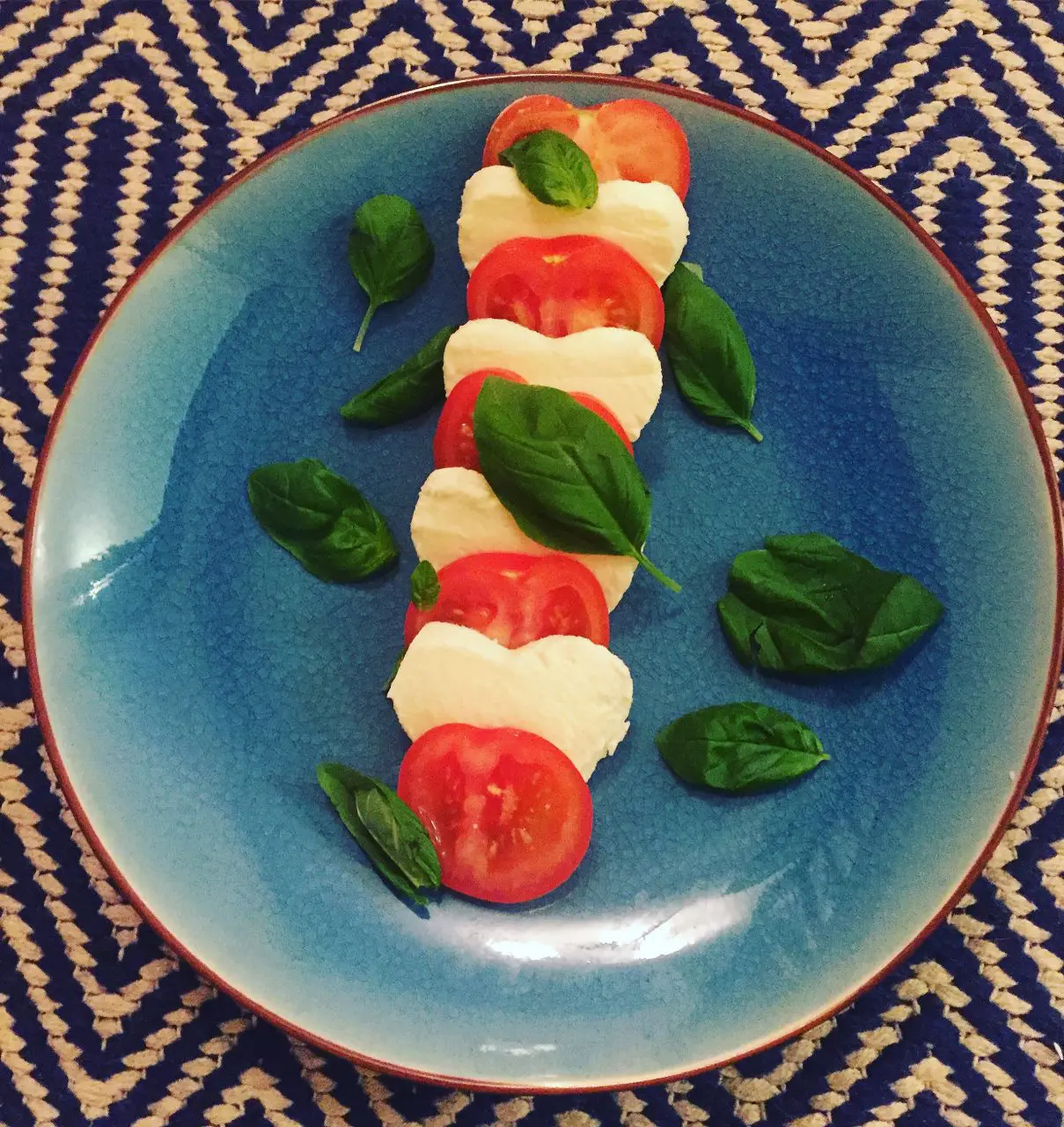
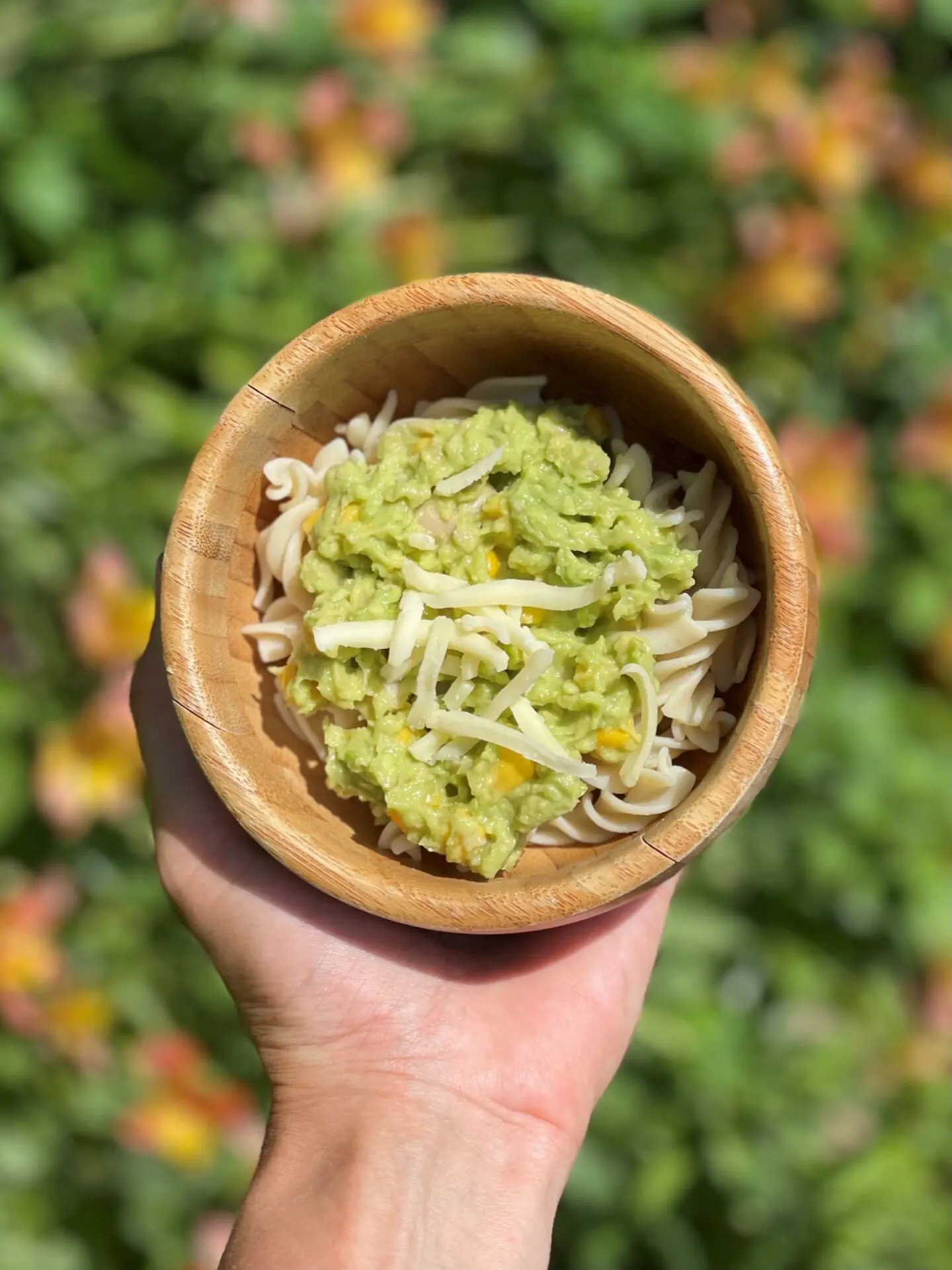
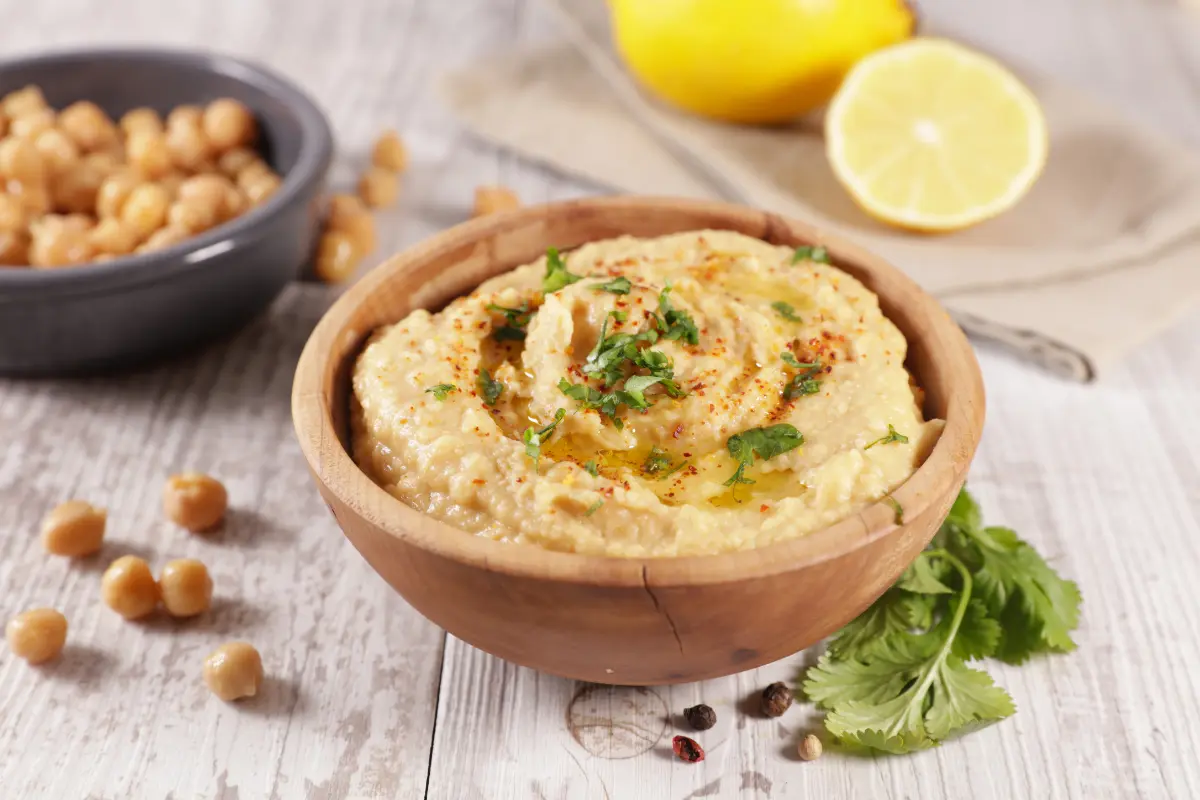
Remember, even when your little one isn’t growing, it’s still really important NOT to put any pressure on them to eat. In the long run, this can contribute to them refusing food more often. Try to focus on the tips above for encouraging appetite and try to include as many energy dense foods from the list as you can.
NOTE: These tips are not individualised medical advice, so do follow any advice for your child from appropriate professionals.
When should you refer to a medical professional when your child is unwell?
Firstly, it’s important to note that if you have ANY concerns at all over your child’s symptoms, always check with your GP for individualised advice. The points below are just some scenarios where further support may be needed, but it’s certainly not an exclusive list.
- If your child is refusing ALL fluid and food. It’s really important to ensure your little one doesn’t get dehydrated, so if you’re struggling to get them to take in any fluids or food at all, definitely give your GP a call. Food and drink refusal can often be one of the early signs of illness. Children, especially under 2, can get dehydrated really quickly so its important to see a Doctor.
- If you have concerns over your child’s growth or you’re unsure how to know whether they are putting on weight appropriately. Weight gain is something all parents worry about. Discuss your concerns with your Health Visitor and if weight loss is a concern, see your Doctor.
- If your child seems lethargic, pale, drowsy or unlike themselves and you are worried, see your Doctor as a matter of urgency.
- If your baby is unable to keep any fluid or solids down, has continuous diarrhoea and is taking less than half of their normal feed please take them to A&E. Dehydration can happen very quickly.
- If you have concerns that your child’s food refusal is impacting their wellbeing – e.g. they don’t have energy or they are continuously eating minimal amounts. It’s difficult to say exactly when food refusal may become a problem, but you know your baby best and do seek support if you are worried. It can be really helpful to keep a food diary over a course of a few weeks and see your Doctor for further support.
Ideal meals for unwell kids
For the final part of this blog, I wanted to share some meal ideas that are ideal for unwell kids. Not all of these will work for all illnesses, and some may be too much for when kids are really unwell. But hopefully these offer a little inspiration for when you’re not sure what to offer!


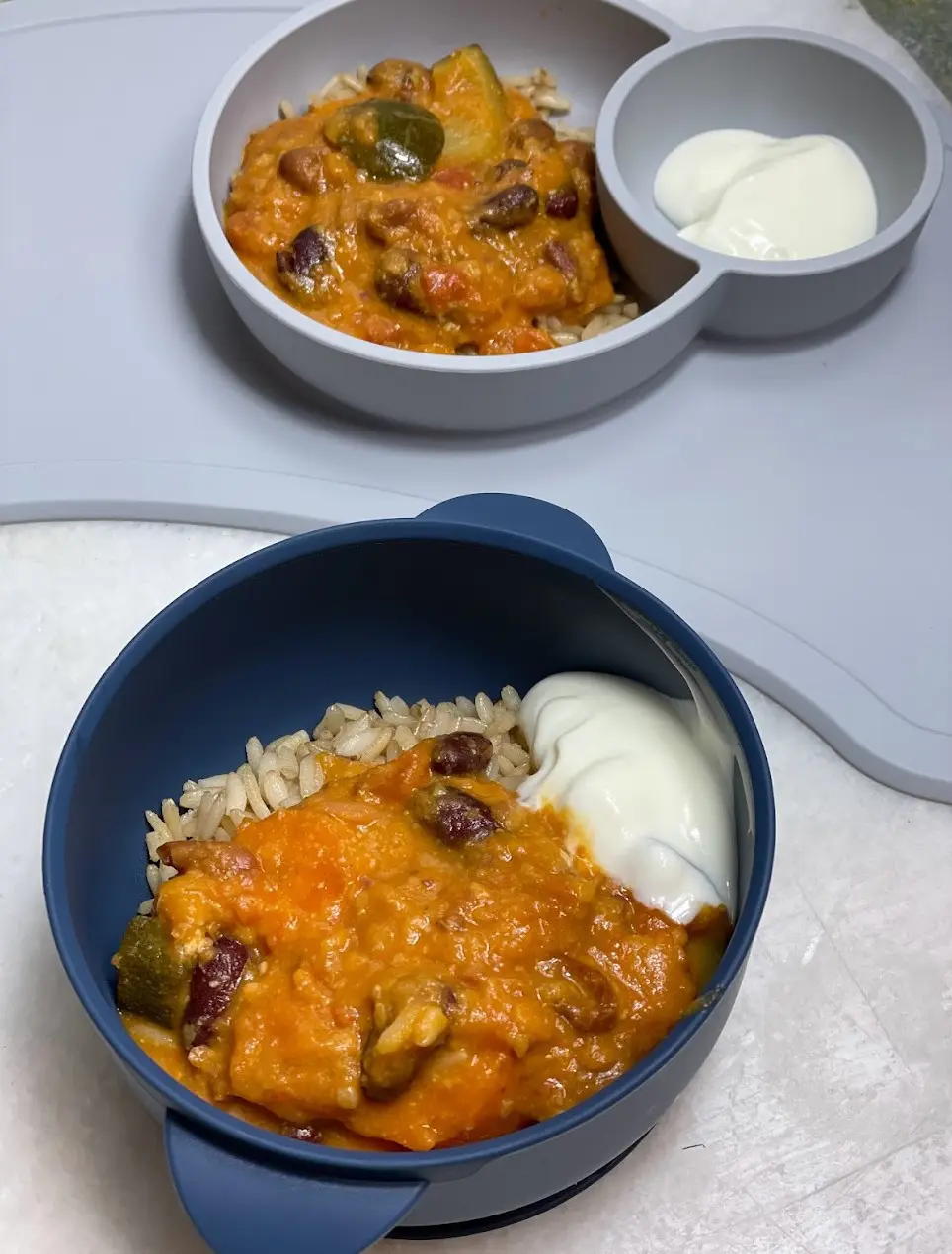
- Yoghurt with nut butter and fruit
- Creamy pasta – try this ricotta pasta bake or my super quick creamy mushrooms can be served with pasta or couscous too
- Toast and toppings
- Butter
- Cream cheese
- Avocado
- Nut butter
- Mashed tinned fish
- Hummus
- Scrambled eggs with toast and avocado or fruit
- Fritters – try my carrot and sweetcorn fritters or these easy courgette fritters
- Ice lollies – try these 3 healthy ice lolly recipes
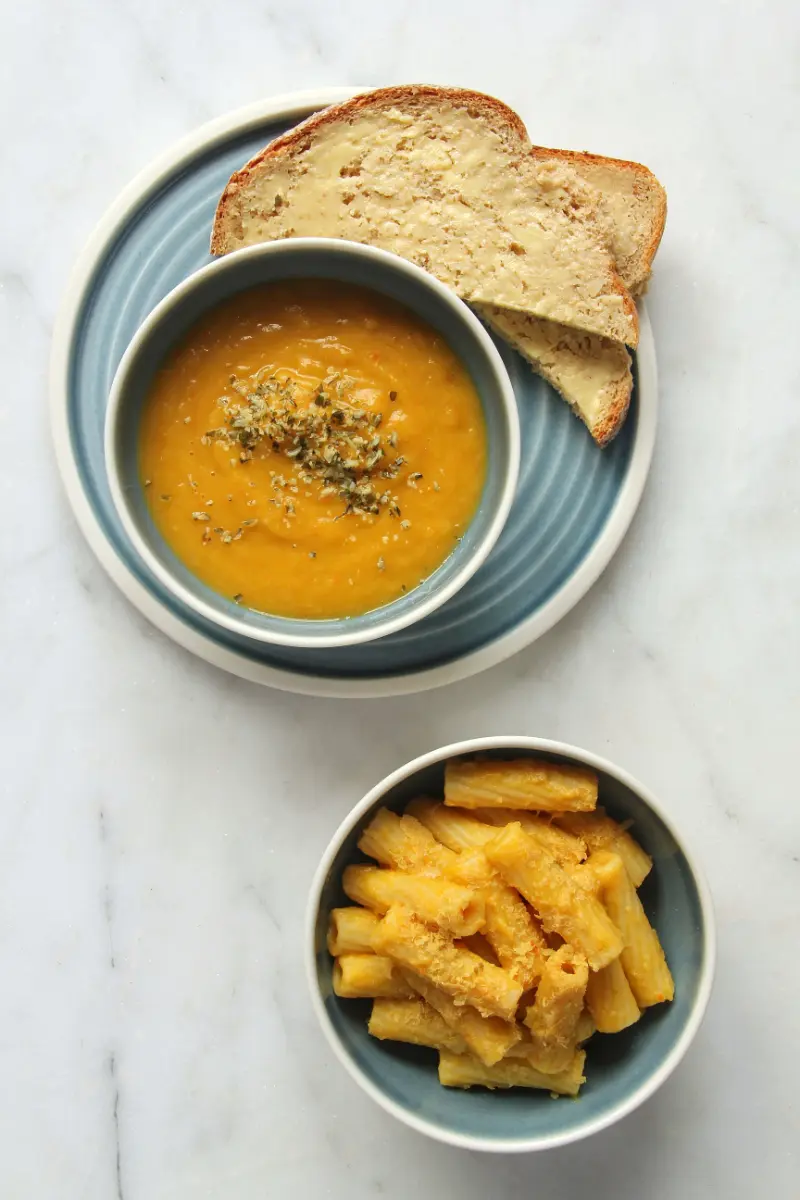
- Soups and smoothies – try my family friendly soup and smoothie recipes
- Egg fried rice with peas
- Muffins – these veggie breakfast muffins are ideal
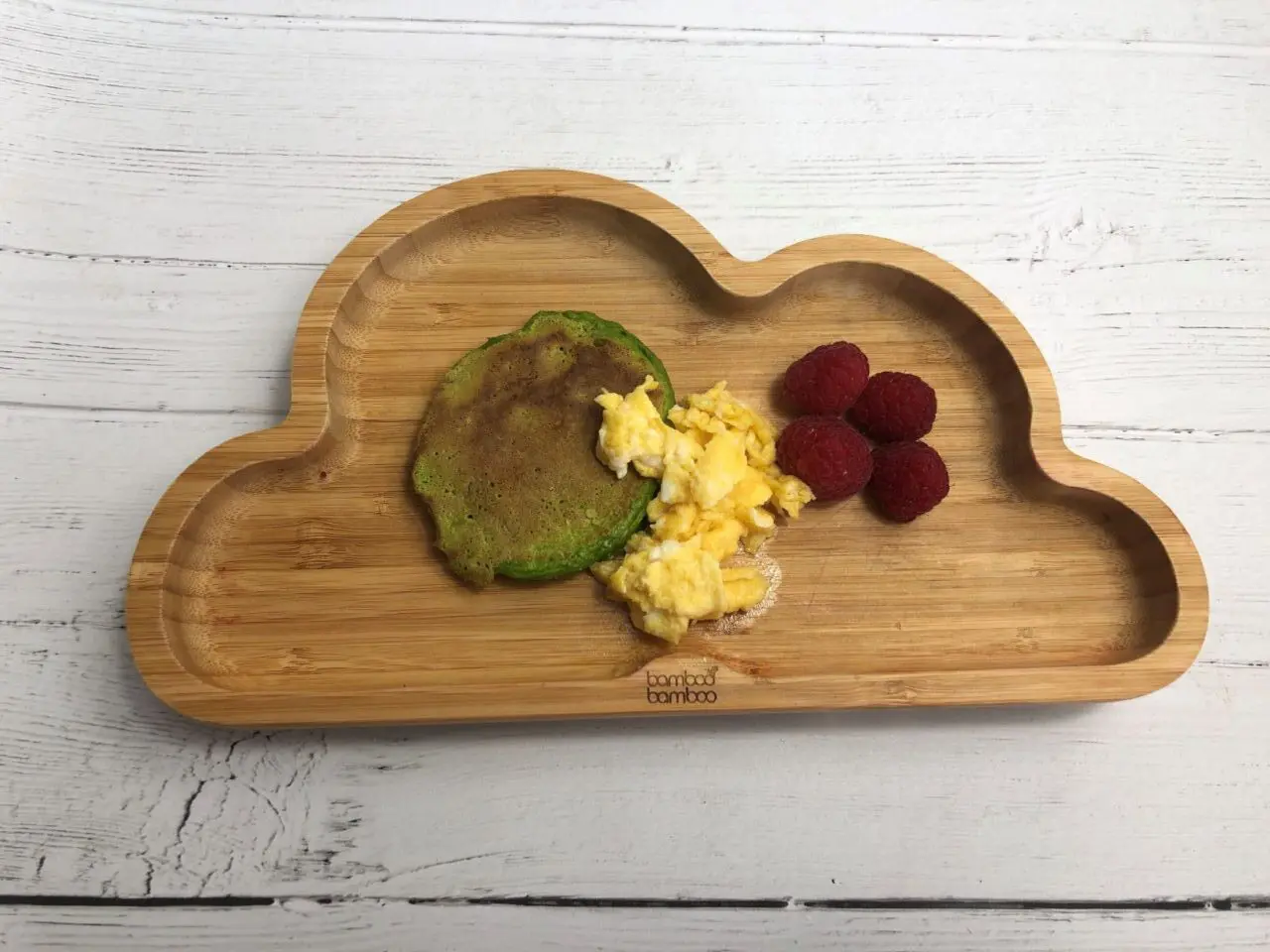
- Pancakes – try my easy baby and toddler pancake sheet recipe or try adding leftover veggies to the mix for savoury pancakes
- Banana bread with yoghurt and nut butter – try my no added sugar banana bread recipe
- Spaghetti Bolognese – check my recipe for family friendly spaghetti Bolognese
- Baby friendly bean stew
- Easy cheesy potato pie – definitely one of my MOST popular recipes, and such an easy one to make too!

For more recipes and tips, check out my Instagram page!